


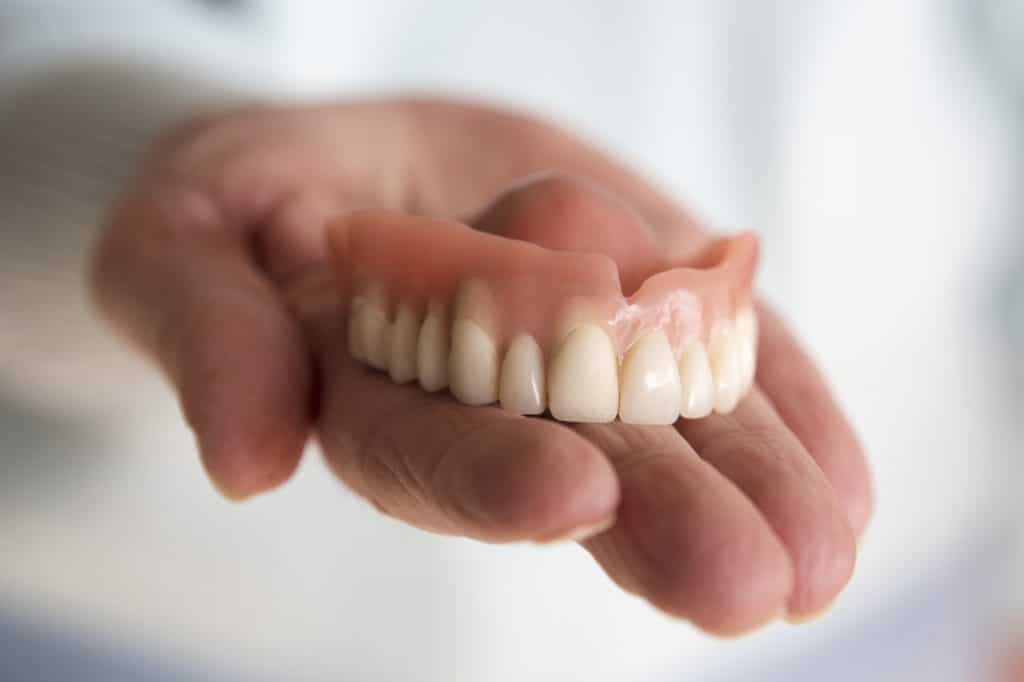
Did you that anyone over the age of 40 is much more likely to need dentures? Buying dentures has become very common practice around the world and more people wear them than you might think. It’s essential to know about all of the available types of dentures before making a decision. Everyone’s situation is unique and there are denture options to fit a variety of needs.
The following guide will explore different denture styles and their benefits. Read on and make choosing dentures for yourself simple and seamless.
Full Dentures
Full dentures act as complete replacements for whole sets of teeth. Typically, dentists try to save as many teeth as possible before suggesting that a patient needs full dentures. Full dentures are only an option if no other solutions can solve the problem.
Most dentures consist of acrylic resin and they stay supported by any hard and soft tissue the patient has left. They’re not as sturdy as natural teeth or dental implants that get surgically placed into the jawbone.
It’s very common for people using full dentures to form a speech impediment from wearing them. It’s because the material that covers the palate tends to be very thick and affects the tongue and cheek’s neuromuscular control ability.
Keep in mind that the acrylic used in full dentures can’t be thinned down much. Too much thinning causes fracturing of the dentures over time.
Full dentures allow wearers to regain their ability to chew and eat foods. They can also help restore the wearer’s confidence and self-esteem by giving them a much healthier and youthful appearance. They’re affordable and you can even order full dentures online.
However, lower dentures have declining retention as time goes on. Full dentures might pop out at any time while talking or eating. As mentioned above, they can lead to a lisp. They also require routine cleaning and maintenance such as repairs and relines
Fixed Partial Dentures
Fixed Partial dentures are permanent and use implant-supported bridges to replace a few teeth missing in a row. They use two dental implants and prosthetic teeth where they’re needed. Partial dentures get screwed into the wearer’s mouth or permanently glued.
People that have three or more teeth missing from a row typically decide on partial dentures as a solution. Keep in mind that fixed partial dentures aren’t removable like full dentures.
Fixed partial dentures help improve the wearer’s appearance and boost their confidence. Patients usually feel more secure because of their permanent quality. They’re also stronger than removable dentures and have a more consistent fit and bite.
Remember that fixed dentures require surgery and that comes with a higher cost than removable options. They also require specialized floss and tend to be harder to clean.
Removable Partial Options
Removable partial dentures replace a few missing teeth like the fixed option, but you can remove them at any time. They’re easy to replace and have a very natural look to them using false teeth and a gum-colored acrylic base.
The base of removable partials gets secured to multiple clasps that keep them held in place. The clasps are either made of metal or flexible plastic and attach to the adjoining teeth for added support.
Dentists usually suggest removable partials for patients who aren’t realistic candidates for fixed options. For example, anyone that can’t undergo surgery would need a removable denture option.
Their metal framework provides great durability and they’re simple to clean. It’s a very affordable way to preserve the structure of a mouth a stop teeth from shifting.
Keep in mind that removable partial dentures tend to build up a lot of plaque if you don’t clean them correctly. In some cases, they might also show some of the metal clasps when a patient smiles.
Prone to plaque buildup if not cleaned properly
Overdentures
Overdentures get secured in place on top of the gums by using dental implants. Typically, overdentures are secured using around four implants, but that number varies depending on the case. They can also be set in the patient’s upper jaw, lower jaw, or in both.
This denture option provides added strength and chewing operation to traditional dentures. Just remember that they require removal and cleaning each night to let gum tissues rest.
Overdentures are stable and don’t loosen while talking or eating food. Wearers usually find them more comfortable because of their custom fit. They also tend to look more natural than standard dentures.
The downsides include surgery, a longer treatment time, and higher costs. Overdentures might even require a bone graft or sinus augmentation to help keep them supported.
Immediate Denture Options
Immediate dentures are removable and can be placed immediately after a patient’s teeth get removed. In comparison, patients have to wait between 6 to 8 weeks for their mouth to heal before getting conventional dentures.
However, immediate dentures don’t mold to the gums which makes the process more challenging. They are fast and convenient, but don’t look as natural and need extra upkeep.
The best candidate for immediate dentures is a person with sensitive gums and teeth. They can also be a temporary solution while waiting for a more permanent denture option.
Economy Dentures
Dentists don’t suggest economy dentures to their patients because they can damage mouths and influence bad oral hygiene. They’re a premade, cheap, and generic option that doesn’t provide a custom-made fit.
They require denture adhesive to keep them secured in place. Some people prefer the option because they’re so affordable and accessible even though economy dentures aren’t recommended.
Don’t expect economy dentures to look very natural or to remain very secure because of the adhesive. And remember, they might actually cause more damage to your oral health instead of providing a long-term solution.
Understanding Different Types of Dentures
Now you know how different types of dentures work, who needs them, and their pros and cons. We’re confident that there’s a denture solution for you no matter your current oral situation.
If you have more questions about dentures and your specific needs, please contact us today and we’d be happy to help.
Purchase full dentures online.